Natural Care for Allergies in Scottsdale, AZ
We test for what your body is reacting to, then build a natural plan around the results, so you are not chasing every Valley season with another prescription.
- Led by Dr. Isaac Yosef, NMD
- Allergy and EAV Testing
- Homeopathic and Herbal Care
- Histamine and Mold Experience
Why Allergies Hang On in the Desert
An allergy is the immune system treating something harmless as a threat and releasing histamine in response. In the Valley that response rarely gets a rest, because the triggers rotate through the whole year.
Pollen
Desert trees, Bermuda grass and ragweed take turns all year.
Dust and Smoke
Dry wind, construction and haboobs keep fine particles airborne.
Mold
Monsoon humidity and AC drip lines let spores grow indoors and out.
Dander and Foods
Pets, dust mites and certain foods add a year-round indoor load.
Allergy Symptoms and When to Get Help
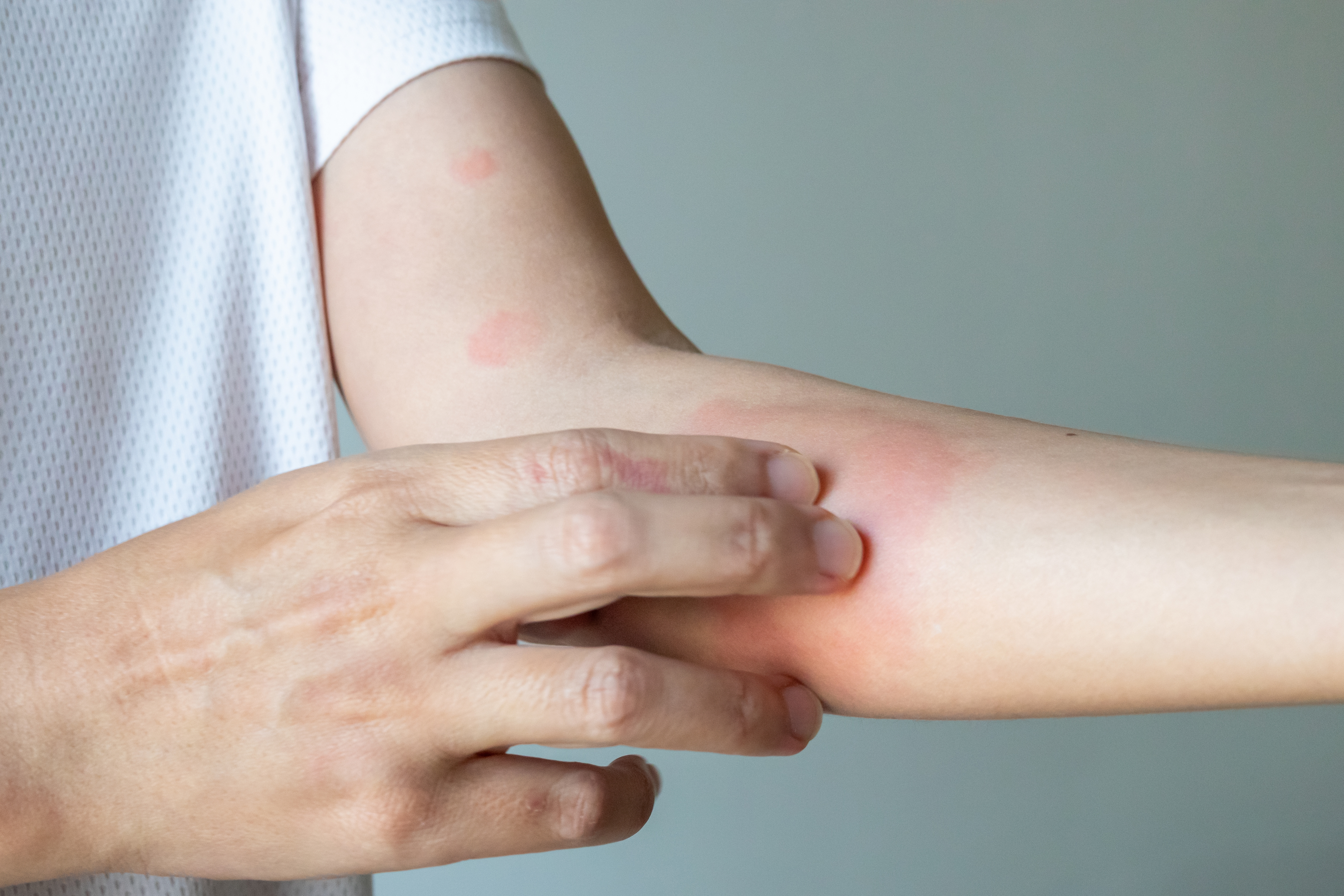
Allergies rarely stop at the nose. Symptoms that last all year, or arrive with skin, gut or energy changes, can point to mold, food sensitivity or histamine intolerance.
- Sneezing, a runny or stuffy nose and postnasal drip
- Itchy, watery or puffy eyes and a scratchy throat
- Sinus pressure, headaches or a cough that lingers
- Hives, itching, eczema flares or flushing after meals
- Bloating or digestive upset after certain foods
- Fatigue, poor sleep or brain fog in heavy seasons
Book a visit when symptoms last more than a few weeks, return every season or no longer respond to store remedies. Call 911 for trouble breathing, swelling of the lips, tongue or throat, or faintness after a food, sting or medicine.
Allergy Seasons in Scottsdale, AZ
Knowing which months set you off is one of the most useful clues we have. Here is how the year usually runs in the Valley.
- February to April
Spring Trees
Mesquite, palo verde, olive, mulberry and ash release heavy pollen as the days warm.
- May to June
Bermuda Grass
Lawns, parks and golf courses make grass the main trigger into early summer.
- July to September
Monsoon Dust and Mold
Storms stir up dust, and humidity after the rain lets mold spores climb.
- October to January
Weeds and Juniper
Ragweed and desert weeds peak in fall, then juniper and cypress carry into winter.
Everyday Steps That Lower Your Exposure
Small habits reduce the load your immune system has to handle while your treatment plan does the deeper work.
- Check the pollen and air quality forecast before outdoor plans
- Keep windows closed on windy and high-count days
- Change AC filters on schedule and use a HEPA purifier
- Shower and change after hikes, golf or yard work
- Dust with a damp cloth so particles are not stirred up
- Fix leaks quickly and watch for musty smells after storms
Allergy, Sensitivity or Histamine Intolerance
These three feel alike but work differently, and the right plan depends on which one is driving your symptoms.
True Allergy
An immune reaction to a specific trigger such as pollen, dander or a food. Symptoms usually start within minutes to hours of exposure.
Pinpointed with allergy testingFood Sensitivity
A slower, dose-related reaction that can show up hours or days later as bloating, headaches, skin flares or fatigue.
Guided by testing and dietHistamine Intolerance
The body clears histamine from food and its own cells too slowly, so flushing, hives, congestion and gut upset follow certain meals.
Often tied to gut health and mold
From First Visit to Your Plan
Antihistamines quiet symptoms but do not explain them. Our work starts with the imbalances and toxic overload that keep the body on high alert.
- 1
We Listen to the Whole History
Seasons, home and work exposures, diet, gut, sleep and energy all count.
- 2
We Test for Your Triggers
Allergy testing, EAV testing, thermography, HRV and customized blood and urine tests, chosen for your history.
- 3
We Build a Natural Plan
Remedies, nutrition and support are matched to what your results show.
- 4
We Adjust Through the Year
Follow-up visits refine the plan as seasons and symptoms change.
Natural Treatment Options We Combine
No two allergy plans look alike. We draw from these therapies based on your testing, your triggers and how your symptoms shift through the year.
Your plan and its cost are set out at your consultation, once we know which tests and therapies fit you.
Custom Homeopathic and Isopathic Drops
Drops formulated from your test results help desensitize your body to allergens over time. They are taken by mouth, and we adjust the formula as you respond. Learn more about our homeopathic and isopathic drops.
Homeopathic and Herbal Treatments
Individually chosen homeopathic and herbal remedies support a calmer immune response without leaning on daily antihistamines alone.
Nutrition Built on Your Allergy Testing
Our dietary counseling turns your allergy testing into a practical eating plan, so you remove the foods that matter for you and keep the ones that do not.
Orthomolecular Support
We identify nutritional deficiencies and correct micronutrient levels with customized oral and IV dosing of vitamins and minerals, including targeted supplements.
IV Immune Support
IV therapy formulated for immune support, inflammation, detoxification and adrenal support helps when a heavy season leaves you depleted.
Avacen and Biomodulator
We use the Avacen and the Biomodulator, two devices that help restore healing by reducing pain and inflammation, as part of a wider plan.
Who You Will See
Two clinicians with different strengths, so allergies tied to the gut, mold or chronic illness are looked at from every side.

Dr. Isaac Yosef, NMD
Integrative PhysicianFinds the root causes and toxic overload behind a reactive immune system.

Lina Kay, PA-C, MS
Environmental MedicineFocuses on gut disorders, histamine intolerance and mold illness.
Allergy Questions We Hear Often
Why are allergies so bad in Scottsdale, AZ?
Mild winters let something bloom in almost every month, and many local landscapes use high-pollen trees such as olive and mulberry. Dry wind keeps dust and pollen in the air, and monsoon humidity adds mold. Your body rarely gets a break long enough to settle.
When is allergy season in Scottsdale, AZ?
There is no single season. Trees peak from February to April, Bermuda grass from May to June, monsoon dust and mold from July to September, ragweed in the fall and juniper in winter. Tracking which months set you off is one of the most useful clues you can bring to your first visit.
How can I tell allergies from a cold?
A cold usually brings aches, sometimes a low fever, and clears within about a week to ten days. Allergies tend to itch, especially the eyes, nose and throat, and they linger or return at the same time each year. Thick discolored mucus with fever points more toward an infection.
What are the 14 major food allergens?
The list of 14 comes from UK and European food labeling: celery, cereals containing gluten, crustaceans, eggs, fish, lupin, milk, mollusks, mustard, tree nuts, peanuts, sesame, soy and sulphites. US labels name nine major allergens. When your testing flags foods, our dietary counseling turns the results into a plan you can follow.
Does air quality affect allergy symptoms?
Yes. Ozone, traffic exhaust, dust storms and wildfire smoke all irritate airways that are already inflamed by pollen. On days when the local air quality index is poor, keeping windows closed and running a good filter indoors can ease symptoms.
Can allergies be treated without daily antihistamines?
Many patients come to us wanting to rely less on them. We look for the triggers and imbalances behind the reaction and build a plan with homeopathic, herbal, nutritional and IV support. Please do not stop any prescribed medicine on your own; we plan any changes with you.
Do you treat food sensitivities and histamine intolerance?
Yes. Lina Kay, PA-C, MS has extensive experience with histamine intolerance, SIBO, IBS and mold illness. Allergy testing guides your nutrition plan, so you remove the foods that matter for you and keep the ones that do not.